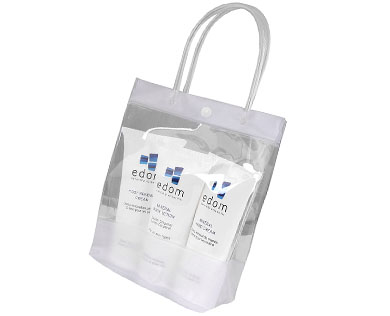



PVC PACKAGING

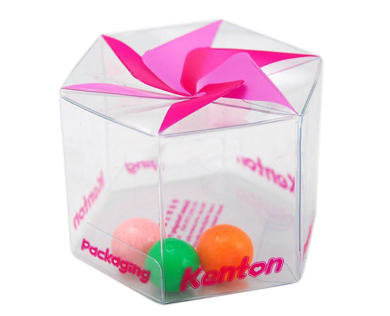
Polyvinyl chloride, commonly abbreviated PVC, is a thermoplastic polymer. It is a vinyl polymer constructed of repeating vinyl groups having one of their hydrogen replaced with a chloride group.

Polyvinyl chloride is the third most widely produced plastic, after polyethylene and polypropylene. PVC is widely used in construction because it is cheap, durable, and easy to assemble. PVC production is expected to exceed 40 million tons by 2016.

It can be made softer and more flexible by the addition of plasticizers, the most widely used being phthalates. In this form, it is used in clothing and upholstery, and to make flexible hoses and tubing, flooring, to roofing membranes, and electrical cable insulation. It is also commonly used in figurines and in inflatable products such as waterbeds, pool toys, and inflatable structures.
pvc packaging

PET PACKAGING

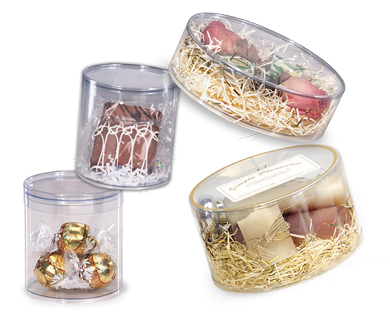
Polyethylene Terephthalate, commonly abbreviated PET, PETE, or the obsolete PETP or PET-P), is a thermoplastic polymer resin of the polyester family and is used in synthetic fibers; beverage, food and other liquid containers; thermoforming applications; and engineering resins often in combination with glass fiber.

The majority of the world’s PET production is for synthetic fibers (in excess of 60%) with bottle production accounting for around 30% of global demand. In discussing textile applications, PET is generally referred to as simply “polyester” while “PET&” is used most often to refer to packaging applications. The polyester industry makes up about 18% of world polymer production and is third after polyethylene (PE) and polypropylene (PP).

pvc packaging

RPET PACKAGING

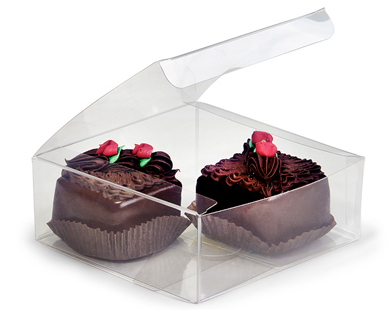
Proprietary clear RPET box is of the highest quality and is made with 30% post- consumer recycled content. RPET box can help conveying your supports in environmental protection and supporting your prestige product positioning. Soft crease technology has already been applied to RPET boxes.

RPET – Recycled Polyethylene Terephthalate. RPET is made with certain percentage of post consumer recycled content

pvc packaging

APET PACKAGING

APET (Amorphous Polyethylene Terephthalate) otherwise known as polyester is quickly becoming a material of choice amongst plastic film processors due to its exceptional clarity and ease in processing. In addition, polyester material is being used more and more as an environmentally friendly alternative to more traditional plastic materials.

pvc packaging

PETG PACKAGING

Polyethylene Terephthalate Glycol (PET modified by Copolymerization) is a transparent thermoform plastic that offers cost-effective vacuum formed parts with deep draws and precise details.

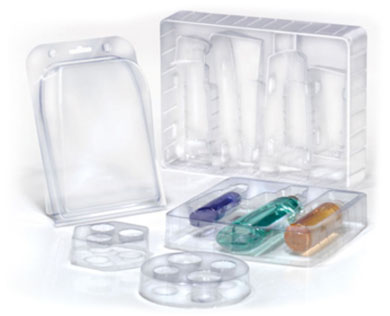
PETG is significantly less prone to cracking than acrylic (Plexiglas). It is used for vacuum forming all kinds of clear plastic parts – especially blister and clamshell packaging and point-of-purchase retail displays. PETG is also FDA food safe and is commonly used to make molds and other kitchen products. Recommended Uses for PETG Thermoform Plastic Sheets: Blister and Clamshell Packaging, Candy and Chocolate Molds

pvc packaging

PP PACKAGING

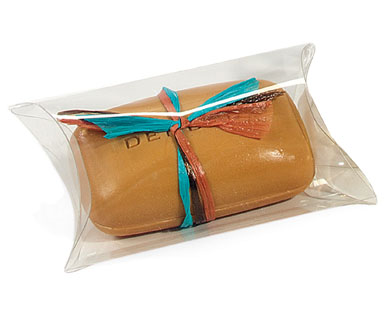
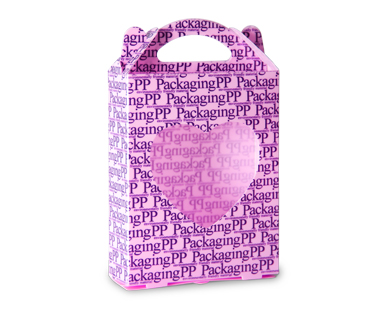
PP box provides softer texture. The soft and milky characteristics of PP box can give you more comfortable feeling, which can be suitable for products like toiletry, personal care, gifts and foods.

Polypropylene (PP), also known as Polypropene, is a thermoplastic polymer, made by the chemical industry and used in a wide variety of applications, including packaging, textiles (e.g. ropes, thermal underwear and carpets), stationery, plastic parts and reusable containers of various types, laboratory equipment, loudspeakers, automotive components, and polymer banknotes. An addition polymer made from the monomer propylene, it is rugged and unusually resistant to many chemical solvents, bases and acids.

pvc packaging

EVA PACKAGING

EVA is short for Ethylene Vinyl Acetate. It is a durable, flexible, transparent copolymer plastic.

This material has good barrier properties, low-temperature toughness, stress-crack resistance, hot-melt adhesive waterproof properties, and resistance to ultraviolet radiation. EVA has little or no odor and is competitive with rubber and vinyl products in many electrical applications.

pvc packaging